
Not only are adults suited for strength training, but strength training that increases general health improves coordination, and builds muscle helps children. To guarantee safety, correct methods, and policies have to be applied. Supervising and directing children mostly falls to parents and instructors. Correctly done, strength training for children increases confidence, posture, and bone health. It lowers injury chances in regular activities and sports as well.
Safe strength training consists of light resistance under correct supervision and bodyweight movements. The article covers what parents and instructors need to know, the advantages of strength exercises, and how children might train properly. Following the advised methods will help kids gain strength without running into the danger of damage. Children's proper strength-building programs should center on controlled, age-appropriate activities.
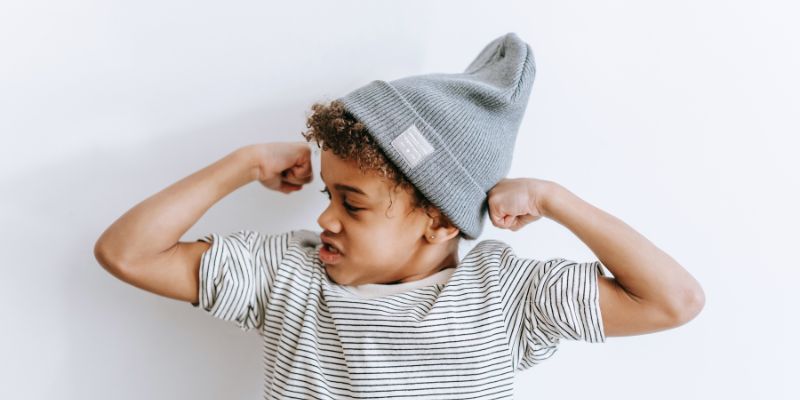
Benefits of Strength Training for Kids
Children who engage in strength training grow both physically and psychologically. It increases endurance, strengthens muscles, and helps correct posture. Regular strength exercises also help children improve their motor skills and coordination. Children's strength-building exercises help them avoid sports and daily life injuries. Strong muscles help joints and lessen bone stress. Growing children who participate in physical activities should especially pay attention to this. Training also raises bone density, thus lowering future fracture risk.
Another advantage is the increase of self-confidence. Children who work on strength feel more powerful and competent. That helps one to have better self-esteem and drive to keep active. By raising metabolism and burning extra fat, safe strength exercises for children also help to control weight. Children grow mentally in discipline and attentiveness. They pick up skills in goal-setting, following regimented drills, and gradually raising their performance. Kids' age and ability degree should guide the creation of appropriate strength workouts.
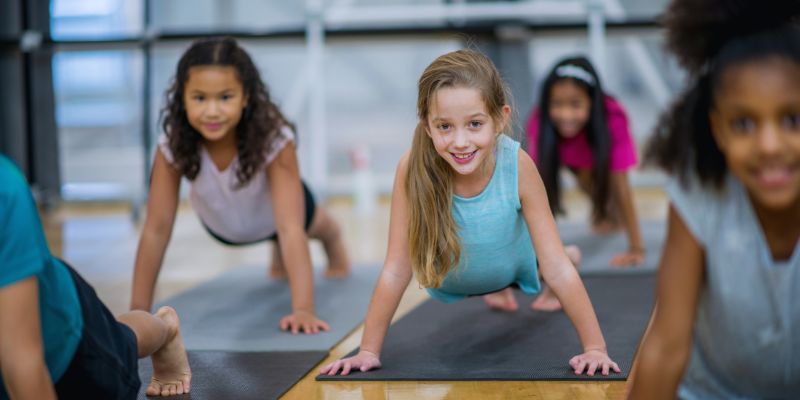
Safe Strength Training Guidelines for Kids
Any strength program should first prioritize safety. Before moving to low resistance, kids should begin with bodyweight exercises. Teachers and parents must ensure kids apply good form to avoid injury. Children's strength-building exercises usually start with a warm-up. This lowers damage risks and helps the muscles be ready. Dynamic stretches and gentle cardio increase flexibility and assist in releasing joints.
Exercises should concentrate on complete-body motions instead of discrete muscular groups. Among great options are squats, push-ups, lunges, and planks. For children, safe strength training involves eschewing big weights. Instead, use light dumbbells, medicine balls, or resistance bands. One needs to be under constant supervision. An adult should check the technique and make sure children avoid overdoing it. Kids' appropriate strength training should include rest days to let muscles heal. Training courses should be entertaining and interesting, fostering a lifetime of physical fitness.
Best Strength Training Exercises for Kids
Some workouts are not suitable for young children. Children's finest strength-building exercises involve motion-enhancing coordination, balance, and endurance. These should be straightforward, safe, and efficient drills.
Bodyweight Exercises:
- Squats: Strengthen legs and core.
- Push-ups: Develop your upper body strength.
- Planks: Boost fundamental stability.
- Lunges: Improve leg power and balance.
Training in Light Resistance:
- Build arm and core strength in medicine ball throws.
- Rows for Resistance Band strengthening back muscles.
- Wall Sits increase leg muscular endurance.
Children should get increasing safe strength training. Begin with bodyweight exercises, and then progressively add some light resistance. Kids' appropriate strength exercises emphasize controlled movements over lifting large weights.
Common Mistakes to Avoid in Kids' Strength Training
Errors in training could cause injury or impede advancement. Teachers and parents must know about typical mistakes and how to stop them. One error is skipping warm-ups. Children are more prone to strain muscles without enough preparation. Children's strength-building classes should always begin with dynamic stretches and mobility exercises. Still, another problem is using too much weight. Children's safe strength training should never call for excessive lifting. Before turning up resistance, children should concentrate on technique. The bad form could strain joints and create imbalances in muscles.
Another issue is overtraining. Children need downtime to heal. Every day of training could cause injuries and tiredness. Children's proper strength exercises should include rests between sessions. Ignoring supervision is dangerous at last. Teachers and parents must help kids guarantee proper movement patterns by direction. Age-appropriate activities in a disciplined program can help to avoid undesirable habits and advance long-term fitness performance.
How Can Parents and Teachers Support Strength Training?
Helping children build strength safely depends much on parents and teachers. Their direction guarantees kids stay engaged and apply correct procedures. Promote a good outlook on strength training. Including challenges and games will help to make it entertaining. Children should not find strength-building exercises to be like a chore. They should be interesting and fun instead. Create a secure surroundings. Make sure children have enough room free from hindrance to exercise. Use appropriate gear, including lightweight resistance devices and soft mats. Kids' safe strength training begins with a ready-made workout space.
Track improvement and praise successes. Acknowledging little changes helps children to stay motivated and increases their confidence. Appropriate strength workouts for children should be goal-oriented, allowing them to monitor their growth over time. Share consistency. Urge children to train consistently yet with enough downtime. A balanced program helps muscles strengthen and avoids exhaustion. An active life should incorporate strength training, including sports and outdoor activities.
Conclusion:
When done safely, strength training provides youngsters with several advantages. It increases confidence, helps endurance, and builds muscle. Teachers and parents must ensure children apply the correct methods to avoid injury. Children's safe strength training should mostly concentrate on light resistance and bodyweight activities. Maintaining excellent form and avoiding overtraining depend mostly on supervision and direction. Children's strength-building exercises should be age-appropriate, enjoyable, and regimented. Following these rules will help children to create lifetime fitness habits and safely acquire strength. Children who get appropriate strength training remain active, strong, and healthy.