
Family dining together helps to build relationships and encourages better eating habits. With hectic schedules, though, sitting around the table might seem difficult. Work, school, and other obligations sometimes make it difficult for many families to schedule time for shared meals. But with the proper plans, you can get your family gathered for frequent dinners.
Changes like meal planning and letting children help in the cooking count. Giving family dinners priority allows everyone to reconnect and create lifelong memories. This guide looks at doable strategies for enjoying meals with a busy schedule.
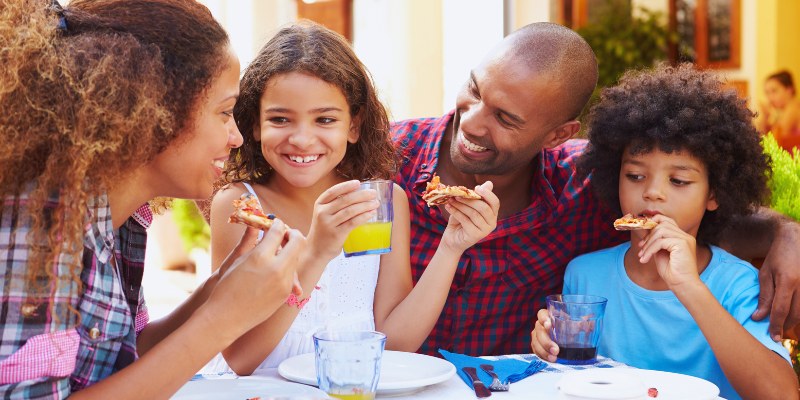
Easy Strategies to encourage families to eat more family meals
Below are some easy strategies to encourage families to eat more family meals:
Set a Consistent Mealtime Routine
Consistency makes family meals second nature. Plan a time that suits everyone and follow it. A consistent breakfast, lunch, or dinner schedule helps build expectations. Once lunch becomes a regular occurrence in their daily schedule, children and adults will begin to look forward to it. Avoid scheduling other activities during family meal times. If dinner is the major meal, ensure it is free from distractions. Turning off the TV and putting phones away helps one stay focused on the other. Dealing with hectic schedules calls for great flexibility. Try fitting everyone's availability if a specific time isn't always possible. Meal times together a few times a week nevertheless help to establish family ties even if they are not daily. Prioritizing dinner helps to improve communication and a feeling of community.
Create a Welcoming Mealtime Atmosphere
A nice dining room invites families to eat together. Arrange the table well with appropriate lighting to make food appealing. Including little extras like candles, music, or themed dinner evenings will improve the whole experience. Create laid-back and pleasurable meals. Don't talk about difficult subjects over dinner. Rather, concentrate on open dialogues that inspire everyone to express their ideas. It generates a comfortable and safe environment where family members look forward to getting together. Have everyone help to set up and tidy the table. That helps the procedure to seem more like a team effort than a chore. Family members will want to eat together more often the more fun the surroundings are.
Plan and Prepare Meals Together
One enjoyable and interesting family pastime is cooking meals. Cooking together promotes everyone's involvement in common meals. To make the procedure fun, assign jobs according to age and degree of expertise. Ahead of time, meal planning helps to lower last-minute anxiety. Make a weekly dinner schedule and allow every family member to choose a favorite cuisine. That guarantees everyone has something to look forward to, raising enthusiasm about dinner. Easy dishes using fresh foods simplify cooking and promote better health. Cooking teaches children important life lessons and strengthens family ties. Family members are more likely to sit down to eat meals the more involved they are in cooking them.
Limit Distractions During Mealtime
Cutting off distractions lets family members concentrate on one another. Turn off the TV, stow electronics, and arrange a dinner area free of screens. That makes quality time and deep talks possible. Make dinner a technology-free zone. Promote in-person meetings rather than phone surfing. If so, ensure electronics stay away from the table until everyone has finished eating. Paying close attention to one another during meals enhances family ties. Meals become a treasured part of the day when everyone is conversing. Establishing distraction-free surroundings motivates family members to be engaged.
Make Mealtimes Fun and Engaging
Including some fun makes family dinners interesting. Try themed meal evenings where everyone helps to choose a theme, such as Italian, Mexican, or brunch for supper. Throughout meals, inspire conversation games or storytelling. Ask lighthearted queries like, "What was the best part of your day?" it ensures everyone has a forum to participate and keeps conversations interesting. Add unique customs, including Sunday brunch or a weekly homemade pizza night. Fun events make meals more than just eating; they become events family members eagerly anticipate. Family members who love their meals are more inclined to prioritize eating together.
Balance Work and School Schedules
Busy times sometimes make family dinners difficult. Still, little changes can add up. Look for chances to eat with others, even for breakfast or a weekend meal. Plan meals according to everyone's schedule. Try to have at least a few shared meals every week if dinner is not feasible every night. Efforts at scheduling can create a pattern. Meal planning and batch cooking help to save time on hectic days. Ahead of time, ingredient preparation guarantees quick and simple dish presentation. Giving even little meal times top priority helps preserve family ties despite hectic schedules.
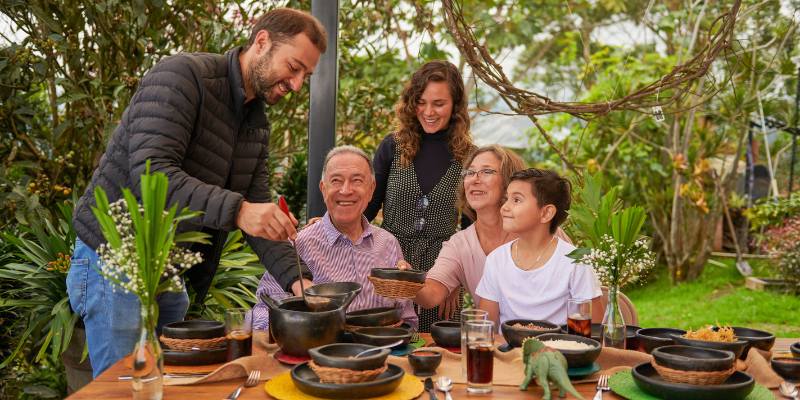
Encourage Open Conversations at the Table
Meaningful dialogues deepen family ties. Use lunchtime to interact, tell tales, and go over everyday events. Invite every family member to add to the dialogue. Get in the practice of posing open-ended questions. Rather than "Did you have a good day?" ask, "What was the most interesting thing you learned today?" it encourages more thorough conversations and enhances the appeal of meals. Avoid contentious or depressing subjects. Have friendly and encouraging talks. Family members will want to gather around the table more frequently during fun lunchtime.
Lead by Example and Set Expectations
Young children copy what they see. Children are more inclined to emphasize family dinners if their parents also do. Regularly show the value of dining together by including it in your schedule. Share enthusiasm about lunchtime and inspire involvement. Children are more driven to participate when parents enjoy dining together. Establishing expectations helps to strengthen the habit, just as everyone is seated at the table during supper. Create non-negotiable family dinner customs. Stress the need to spend time with one other and thank you for special events. Setting a good example guarantees that family dinner becomes a beloved habit.
Conclusion:
Family dinners call for work, but the benefits are well worth it. Everyone will come together if one establishes a schedule, reduces distractions, and makes mealtime fun. Meal planning and family member's cooking may help to boost involvement. Giving face-to-face interaction a top priority helps to deepen relationships and improve family ties. In hectic schedules, little adjustments add up. Even a few weekly shared dinners help to strengthen bonds and generate lifelong memories. Giving top attention to mealtime guarantees that family members remain involved and connected. Start using these techniques right now and savor special times at the table.