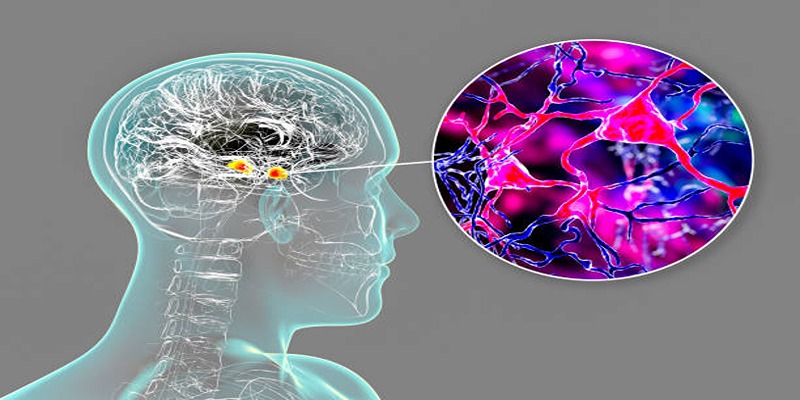
Rhabdomyolysis is a serious medical condition characterized by the rapid breakdown of damaged skeletal muscle. This process releases proteins and electrolytes into the bloodstream, potentially leading to kidney damage and other complications. Understanding the causes of rhabdomyolysis is crucial for prevention and timely treatment, as factors like physical trauma, overexertion, or substance use can trigger its onset.
What Is Rhabdomyolysis?
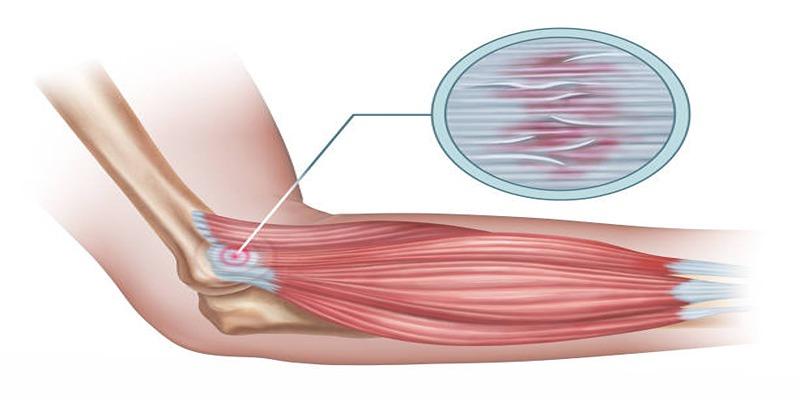
Rhabdomyolysis is a condition that occurs when muscle tissue causes significant damage, which breaks it. When the muscles worsen, they leave the contents of the bloodstream, including myoglobin - a protein required for storing oxygen in muscle cells. While myoglobin is harmless in the muscles, excessive blood circulation can be toxic to the kidneys, and potentially lead to acute kidney damage, a common complexity associated with this condition.
Rhabdomyolysis can develop suddenly or slowly depending on the cause. Common symptoms include muscle pain, weakness, swelling and urine that appear dark often resembles tea or cola. In severe cases, symptoms can increase the loss of nausea, vomiting, confusion or even consciousness.
How Does Rhabdomyolysis Develop?
Rhabdomyolysis progresses through several critical stages:
- Muscle Damage or Trauma: The condition often begins with physical injury to muscle tissue, which can result from direct trauma, overexertion, or prolonged pressure on the muscles.
- Release of Cellular Components: When muscle cells are damaged, their contents—including myoglobin, creatine kinase, potassium, and phosphate—are released into the bloodstream, leading to a cascade of physiological effects.
- Kidney Toxicity: Myoglobin, a protein released during muscle breakdown, can obstruct the kidneys' filtration system, potentially causing acute kidney injury. Elevated levels of potassium and phosphate further disrupt the body's electrolyte balance, increasing the risk of serious complications.
- Systemic Impact: The widespread release of muscle cell contents can trigger inflammation and other systemic responses, amplifying the severity of the condition.
Top Causes of Rhabdomyolysis:
Rhabdomyolysis, a serious condition involving muscle breakdown and the release of toxic substances into the bloodstream, can stem from various causes, ranging from physical exertion to medical conditions. Below are the primary culprits:
1. Excessive Physical Activity
Engaging in intense or unfamiliar physical exertion is one of the most common causes of rhabdomyolysis. This is often observed in athletes, military personnel, and individuals pushing through extreme workouts. Overexertion strains muscles to the point of breakdown, especially in hot, humid environments where dehydration further heightens the risk.
2. Trauma and Crush Injuries
Severe physical trauma, such as from car accidents, falls, or crush injuries, can cause extensive muscle damage. Crush injuries, in particular, are a major trigger, as prolonged pressure on muscles can lead to cell death and the release of harmful substances into the bloodstream.
3. Extended Immobility
Prolonged immobility, whether after surgery, during hospitalization, or due to a medical condition, can lead to muscle damage. Sustained pressure on specific muscle groups restricts blood flow, causing tissue breakdown over time.
4. Medications and Toxic Substances
Certain medications and toxins can significantly increase the likelihood of rhabdomyolysis. For example, statins (commonly used to lower cholesterol) have been linked to muscle damage in some individuals. Similarly, specific antibiotics, recreational medicines, and other toxins can act as triggers.
5. Severe Infections and Viruses
Infections, particularly viral illnesses, can induce muscle inflammation and damage. Conditions such as the flu, and bacterial infections have been associated with rhabdomyolysis due to their impact on muscle tissue.
6. Genetic and Metabolic Disorders
Some genetic and metabolic disorders predispose individuals to muscle dysfunction and breakdown. Conditions like McArdle disease, a glycogen storage disorder, or mitochondrial myopathies impair muscle energy use, increasing vulnerability to rhabdomyolysis.
7. Heat-Related Illnesses
Heatstroke and other heat-induced conditions can damage muscles through extreme dehydration and elevated body temperature. This is particularly prevalent in those who work or exercise in hot environments without adequate hydration.
8. Electrolyte Imbalances
Imbalances in electrolytes such as potassium, calcium, or phosphate can disrupt normal muscle function, potentially leading to rhabdomyolysis. These imbalances often occur in cases of kidney disease, hormonal disorders, or excessive diuretic use.
Risk Factors for Rhabdomyolysis:
Several factors can increase the risk of developing rhabdomyolysis, including:
- Intense Physical Activity: Participating in extreme or unfamiliar exercise routines.
- Dehydration: Insufficient fluid intake, particularly during strenuous activity.
- Age: Both older adults and young children may be at higher risk.
- Underlying Health Conditions: Conditions such as diabetes, thyroid disorders, or kidney disease can contribute to susceptibility.
- Medications: Certain medicines that affect muscle function or metabolism may increase the likelihood.
- Environmental Stressors: Prolonged exposure to extreme heat or periods of immobility can also be triggers.
Prevention and Early Detection:

Preventing rhabdomyolysis requires addressing its underlying causes and risk factors. Here are some effective strategies to reduce your risk:
- Ease Into Exercise: Gradually increase the intensity and duration of physical activity to give your body time to adapt. Avoid overexertion, especially if starting a new routine.
- Stay Hydrated: Ensure proper fluid intake, particularly during exercise or in hot environments, to support muscle function and prevent dehydration.
- Be Mindful of Medications: Understand the potential side effects of medications, especially those that may impact muscle health. If you experience muscle pain or weakness, consult your healthcare provider promptly.
- Act Quickly on Symptoms: Seek medical attention immediately if you notice warning signs like severe muscle pain, unusual weakness, or dark-colored urine.
- Manage Chronic Conditions: Keep underlying health issues, such as diabetes or thyroid disorders, well-controlled to minimize the risk of complications.
Rhabdomyolysis Treatment:
Effective treatment of rhabdomyolysis centers on addressing its root cause while preventing potential complications. Key steps include:
- Intravenous Fluid Therapy: Administering IV fluids helps flush out toxins and safeguard kidney health.
- Electrolyte Balance: Restoring proper levels of potassium, calcium, and phosphate is essential to avoid serious imbalances.
- Kidney Function Monitoring: Regular blood tests track kidney performance and detect early signs of acute kidney injury.
- Treating the Underlying Cause: This may involve stopping harmful medications, managing infections, or addressing metabolic disorders.
- Dialysis in Severe Cases: If kidney function is severely compromised, dialysis may be necessary to remove toxins from the bloodstream.
Conclusion:
Rhabdomyolysis is a serious, potentially life-threatening condition that demands swift diagnosis and treatment. Understanding its causes and how it develops is essential for reducing risk and ensuring timely medical intervention. Preventative measures, such as avoiding excessive physical exertion, staying properly hydrated, and managing underlying health conditions, play a vital role in protecting muscle health and overall well-being. Prioritizing prevention is the key to staying safe and healthy.