Tuberous Sclerosis Complex is a rare genetic condition that causes benign tumors to grow in different parts of the body, like the brain, skin, kidneys, and heart. Affecting both children and adults, TSC can cause a wide range of symptoms, from developmental delays to seizures, making early diagnosis and personalized management crucial for improving quality of life.
What Is Tuberous Sclerosis Complex?
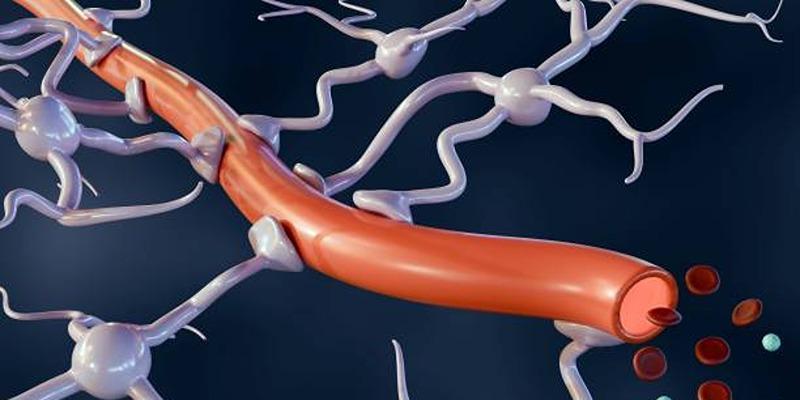
Tuberous Sclerosis Complex is a multisystem disease that occurs due to an alteration in either TSC1 or TSC2 genes. These genes facilitate controlling cell growth. There exists the potential of constant and uncontrolled cell growth that results in benign tumors in the body when they mutate. It is genetically related, but no family history helps many individuals with a TSC diagnosis. When that happens, the mutation of the gene happens by chance.
Key Features and Affected Organs:
There are many body systems affected by TSC. These symptoms and complications are determined by the involved organs.
1. Brain
- Subependymal nodules and subependymal giant cell astrocytomas (SEGAs) are types of tumors that can form.
- Others lose control, experience developmental delay, or a behavioral changes.
- It is typical to have problems with learning and socialization.
2. Skin
- One of the very first symptoms is skin changes.
- These could be light spots (hypomelanotic macules), minute raised characteristics (facial angiofibromas), or thickened spots of the skin (shagreen patches).
3. Kidneys
- There can be benign angiomyolipoma tumors.
- Even large, in some cases, they can bleed and influence kidney function.
4. Heart
- Tumors known as rhabdomyomas are often present from a very young age, frequently discovered during infancy. These benign tumors typically develop in the heart and, while they may not always cause symptoms, their presence can sometimes lead to complications such as irregular heart rhythms.
5. Lungs
- Though rare, adults—predominantly females—may experience a complication involving the lungs. This condition, known as lymphangioleiomyomatosis (LAM), results in the formation of cystic changes in the lung tissue.
6. Eyes
- In some cases, individuals may develop white patches on the retina, medically referred to as retinal hamartomas. While these growths are typically harmless and do not impair vision, they can serve as an indicator of underlying conditions.
Causes and Genetics:
The Genetic Basis of TSC:
TSC occurs due to a mutation in one of two specific genes: TSC1 or TSC2. These genes are responsible for producing proteins that help control cell growth and division.
- TSC1 gene produces the protein hamartin.
- TSC2 gene produces the protein tuberin.
Together, hamartin and tuberin form a protein complex that regulates a key pathway in the body known as mTOR (mechanistic Target of Rapamycin). This pathway acts like a cellular "switch," controlling how and when cells grow and multiply.
When either gene is mutated:
- The hamartin-tuberin complex becomes ineffective.
- The mTOR pathway becomes overactive.
- Cells begin to grow uncontrollably.
- This uncontrolled growth leads to the formation of hamartomas, which are benign tumors made of an abnormal mixture of cells and tissues.
Inherited vs. Spontaneous Cases:
TSC can be inherited, but in many individuals, the condition arises without any family history.
Inherited Cases
- This means only one copy of the altered gene (from either parent) is enough to cause the condition.
- If one parent has TSC, each child has a 50% chance of inheriting the disorder.
Spontaneous Mutations
- In approximately two-thirds of all diagnosed cases, the mutation occurs spontaneously, meaning it is not inherited from either parent.
- These spontaneous or de novo mutations happen at the time of conception or early embryonic development.
- Individuals with a spontaneous mutation can still pass the condition on to their children.
Symptoms and Signs:
Symptoms vary widely and may be present at birth or develop over time. Early diagnosis can improve long-term outcomes.
Common Symptoms:
- Recurrent seizures
- Learning and developmental delays
- Skin abnormalities
- Behavioral or emotional difficulties
- Attention issues
Neurological Symptoms:
- Seizures are a prominent feature, often beginning in infancy.
- Some individuals may experience a delay in achieving developmental milestones.
Behavioral Indicators:
- Difficulty in social communication
- Challenges with concentration
- Emotional outbursts
Early medical evaluation is important when such symptoms appear, especially when accompanied by skin signs or a family history of TSC.
Diagnosis and Screening:
Diagnosing TSC involves a combination of physical examination, imaging studies, genetic testing, and clinical criteria.
Key Diagnostic Tools:
- Brain MRI: Helps identify abnormal growths and assess structural changes.
- Ultrasound of the kidneys: Detects tumors or cysts.
- CT scans: Useful for viewing organs like the lungs and heart.
- Skin examination: Identifies classic skin features of TSC.
- Genetic testing: Confirms mutations in the TSC1 or TSC2 gene.
Doctors use a set of major and minor criteria to confirm a diagnosis. The presence of two major features or one major and two minor features typically indicates TSC.
Treatment Options:
There is no complete cure for TSC, but early intervention and careful management can significantly improve quality of life.
1. Medication
- Seizure control: Antiepileptic medications help manage seizures, a common symptom.
- Targeted therapy: In some cases, specialized medications may reduce the size of certain tumors by blocking overactive growth signals.
2. Surgical Options
- For tumors causing blockages or pressure, surgery may be necessary.
- Procedures may be considered for kidney or brain tumors that are not responding to medication.
3. Therapies and Support
- Behavioral therapy for social or emotional difficulties
- Educational support and individualized learning plans
- Physical and occupational therapy to assist with movement or coordination challenges
Monitoring and Ongoing Care:
Since TSC affects various organs and can change over time, lifelong monitoring is essential.
Routine Follow-Up Includes:
- Regular MRI scans of the brain
- Kidney imaging every 1–3 years
- Eye exams and skin checks
- Developmental and behavioral assessments
Early detection of new symptoms or growths allows for timely intervention.
Living with Tuberous Sclerosis Complex:
Although TSC is a lifelong condition, many individuals lead fulfilling lives with proper support. The level of independence and quality of life largely depend on the severity of the symptoms.
Important Tips:
- Establish a long-term care team, including neurologists, dermatologists, and other specialists.
- Maintain a structured schedule for therapies and medical checkups.
- Seek support groups for emotional and social encouragement.
Awareness and proactive care go a long way in managing TSC effectively.
Conclusion:
Tuberous Sclerosis Complex (TSC) is a manageable condition despite its complexities. With early diagnosis, comprehensive care, and personalized treatments, many individuals affected by TSC can thrive. Understanding its wide-ranging effects is key to navigating the condition successfully. Ongoing research and medical advances continue to improve outcomes, offering hope for even better management in the future. For those living with TSC and their families, knowledge, vigilance, and strong support systems are essential tools for facing the challenges.