
Many of the world’s healthiest countries prioritize balanced diets, regular physical activity, and mindful living. Their timeless traditions and modern approaches to well-being hold valuable lessons for everyone. By exploring these secrets, you can adopt practical strategies to enhance your health, boost energy levels, and promote a longer, happier life—starting today.
1. Daily Movement Is a Way of Life – Japan
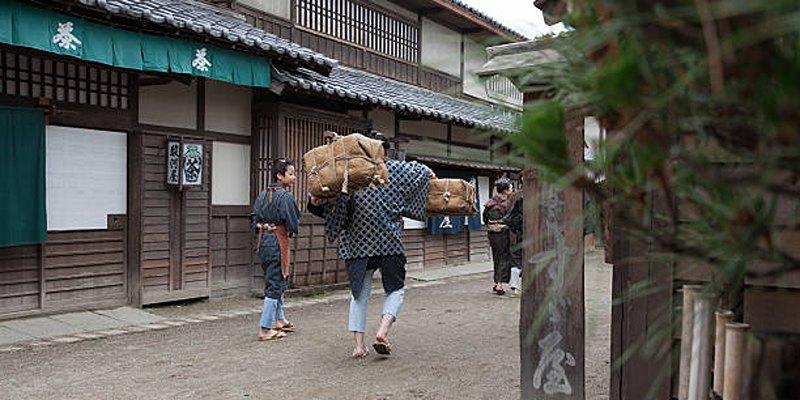
Japan, particularly the island of Okinawa, offers an excellent model for natural and sustainable physical activity. Rather than dedicating specific time slots for exercise, the Japanese embed movement into their everyday routines. Walking is a preferred mode of transport, whether it's to the market, school, or local shrine.
Gardening, household chores, and traditional activities like “rajio taiso” (radio calisthenics) further ensure that physical activity is seamless and non-disruptive. These light exercises, broadcast on public radio each morning, involve stretching, joint rotations, and coordinated movement, promoting mobility, balance, and flexibility across all age groups.
Key Takeaway:
Integrate gentle, low-impact activity throughout your day instead of relying solely on intense, scheduled workouts. Choose stairs over elevators, park farther from your destination, or stretch while watching the news. This steady, consistent movement promotes circulation, joint health, core strength, and mental clarity—building longevity without the strain of overexertion.
2. Smaller Portions and Mindful Eating – South Korea
South Korea’s approach to food emphasizes harmony, balance, and moderation. Meals typically consist of a main dish accompanied by several “banchan” (small side dishes) that include fermented vegetables, seaweed, lightly seasoned greens, and protein options in moderate quantities.
Rather than focusing on abundance, the Korean dining style promotes variety in nutrients and flavor without overwhelming portion sizes. The emphasis is also on mindful eating—being present, chewing thoroughly, and enjoying meals without distractions.
Key Takeaway:
Control portion sizes by using smaller dishes and limiting refills. Diversify your plate with nutrient-dense items such as vegetables, whole grains, and lean proteins. Eat with intention—free from screens or multitasking—to improve digestion, support healthy weight maintenance, and foster a more satisfying relationship with food.
3. Mediterranean Diet Simplicity – Greece
In the Greek islands, especially Ikaria, meals are built around fresh vegetables, whole grains, legumes, and moderate quantities of seafood. Meals are home-cooked and shared slowly.
Key takeaway:
Opt for whole, unprocessed foods with natural flavors. Prioritize a diet rich in vegetables, beans, and whole grains. Simpler, natural meals reduce inflammation and support heart health.
4. Plant-Based Foundations – India
India’s traditional diet is rooted in diverse, plant-based ingredients and healing spices. Regional cuisines across the country prioritize lentils (dal), chickpeas, beans, fresh vegetables, whole grains, and herbs like turmeric, coriander, ginger, and cumin.
These ingredients not only form the nutritional base but also provide natural antioxidants and digestive benefits. Meat, when consumed, is often in minimal quantities and not the centerpiece of a meal. The use of cooking methods like boiling, steaming, and sautéing also helps preserve nutrient integrity.
Key Takeaway:
Shift your plate to be plant-forward. Include a variety of legumes, whole grains, and vegetables rich in fiber and natural nutrients. Introduce culinary herbs that support digestion and immunity. A plant-based foundation not only enhances gut health and metabolic function but also contributes to reduced risk of lifestyle-related conditions over time.
5. Walking Culture and Outdoor Activity – Switzerland
Switzerland is renowned for its clean environment, high quality of life, and emphasis on physical activity in nature. Urban planning favors pedestrian-friendly pathways, cycling tracks, and public transportation that still requires walking.
Residents frequently engage in outdoor activities such as hiking, skiing, and biking—not as isolated fitness routines, but as cultural pastimes that bring people together and foster a deeper connection with the natural world.
Key Takeaway:
Incorporate outdoor physical activities into your lifestyle, even if only for 20–30 minutes a day. Nature-based movement, such as walking in the park, gardening, or hiking trails, offers physical, mental, and emotional benefits. Exposure to fresh air and sunlight can improve respiratory function, elevate mood, and support bone strength through natural vitamin D synthesis.
6. Slow and Balanced Eating – Italy
Italy’s wellness secret goes beyond food itself—it’s the cultural philosophy around eating that makes the difference. Italians view meals as cherished moments, often shared with others, and consumed slowly. Even in the busiest urban areas, it is common to see locals enjoying multi-course meals at a leisurely pace.
This unhurried approach helps regulate appetite, reduce overeating, and enhance the enjoyment of flavors and textures. Importantly, meals are balanced—built around vegetables, grains, legumes, and light proteins, with heavy or overly processed foods rarely taking center stage.
Key Takeaway:
Transform mealtime into a calm and mindful activity. Eliminate distractions like mobile devices and work tasks. Slow down your eating pace, chew thoroughly, and appreciate your food’s taste and aroma. Balanced, deliberate eating improves satiety, supports metabolic efficiency, and nurtures a more harmonious relationship with food and body.
7. Fermented and Gut-Friendly Foods – Germany
In Germany, traditional meals often include fermented items like sauerkraut, which support gut health. These natural probiotics help maintain a balanced digestive system.
Key takeaway:
Add naturally fermented foods to your diet such as yogurt, kefir alternatives, or pickled vegetables. Supporting gut flora can enhance immunity, reduce bloating, and improve nutrient absorption.
8. Hydration through Herbal Infusions – China
Instead of sugary drinks, many people in China consume herbal teas and warm water throughout the day. These beverages are often consumed for their calming and health-promoting effects.
Key takeaway:
Replace soft drinks with warm herbal infusions like mint, ginger, or green tea. Staying hydrated naturally aids metabolism, supports skin clarity, and keeps energy levels steady.
9. Home-Cooked Meals over Processed Foods – Sweden
Swedes embrace home cooking using fresh, seasonal ingredients. Processed convenience foods are less common in everyday meals, with a strong preference for natural preparation.
Key takeaway:
Prioritize home-cooked meals. Cooking at home allows better control of ingredients and portion sizes. It reduces intake of preservatives, added sugars, and excessive sodium.
10. Routine Rest and Recovery – Finland

Finland values balance and recovery as part of a healthy lifestyle. In addition to staying active, there's a strong cultural emphasis on rest, quiet time, and quality sleep.
Key takeaway:
Don’t neglect recovery. Regular sleep, short breaks during the day, and reducing screen time in the evening all contribute to better focus, hormone balance, and overall vitality.
Conclusion:
The healthiest countries thrive on sustainable habits, natural eating patterns, and balanced lifestyles rather than extreme measures. You can apply their lessons by moving naturally every day, eating slowly to savor meals, cooking more while relying less on packaged foods, choosing plant-based ingredients often, and staying hydrated while prioritizing rest. These simple, intentional choices can help you build a healthier routine that improves not only your physical health but also your emotional and mental well-being.