
The ketogenic diet focuses on low-carb, high-fat foods to help the body enter ketosis and burn fat for energy. Success starts with smart shopping. This guide highlights essential keto-friendly staples and foods to avoid, making grocery trips easier while keeping you on track toward your health and weight-loss goals.
Understanding the Keto Foundation:
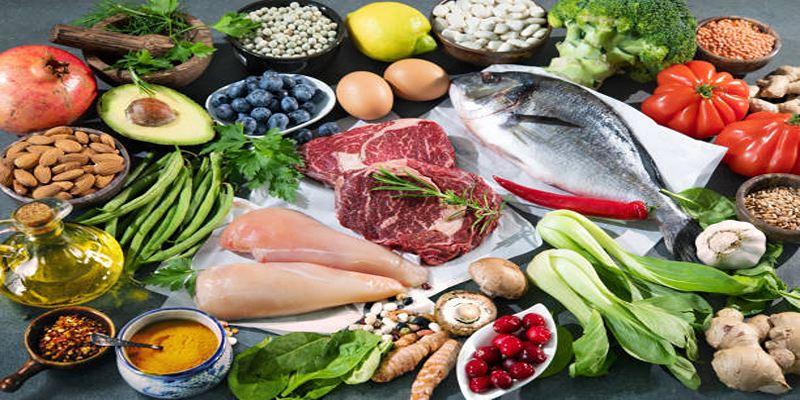
Before diving into food lists, it’s important to grasp the core rule of keto: limit daily net carbohydrate intake to about 20–50 grams, focusing on whole foods with high-fat and moderate protein content. The goal is to minimize sugar and starch while embracing healthy fats.
Essential Keto-Friendly Foods:
Here are the top food categories and items to add to your keto grocery cart:
1. Healthy Fats and Oils
Fat is the cornerstone of the keto diet. It supports energy levels and keeps you full.
- Avocados – Rich in monounsaturated fats and fiber.
- Coconut Oil – A source of medium-chain triglycerides (MCTs).
- Olive Oil (Extra Virgin) – Ideal for dressings and low-heat cooking.
- Butter and Ghee – Suitable for sautéing and flavoring vegetables.
- Animal Fats – Such as beef tallow or poultry fat from clean sources.
Tip: Stick to unrefined oils and avoid vegetable oils like soybean and corn oil.
2. Meat and Poultry (Unprocessed)
Protein should be moderate—not excessive—on keto.
- Beef, lamb, goat, and bison – Choose grass-fed when possible.
- Chicken and turkey – Prefer skin-on cuts for added fat.
- Pork and duck – Especially belly, shoulder, and thighs.
- Organ meats – Nutrient-dense (such as liver, if suitable for you).
Avoid breaded or pre-marinated products with hidden sugars or starches.
3. Seafood and Fish
Seafood provides protein and omega-3 fatty acids.
- Salmon, mackerel, sardines, and trout – Excellent for healthy fats.
- Shellfish – Like shrimp and crab (ensure minimal carbs in preparation).
Canned fish in olive oil is also convenient and keto-compliant.
4. Low-Carb Vegetables
These add fiber and nutrients without spiking carbs.
- Leafy Greens – Spinach, kale, arugula, lettuce.
- Cruciferous Vegetables – Broccoli, cauliflower, cabbage, Brussels sprouts.
- Zucchini, cucumbers, and bell peppers – Light on carbs, versatile in meals.
- Mushrooms – Low-carb and flavorful in stews and stir-fries.
Avoid: Starchy vegetables like potatoes, corn, and peas.
5. Dairy (Full-Fat and Unsweetened)
Dairy is fine for most keto followers in moderation.
- Cheese – Cheddar, mozzarella, cream cheese, goat cheese.
- Heavy cream – Great for coffee or sauces.
- Greek yogurt (plain) – Use sparingly due to natural sugar content.
Skip: Flavored yogurts, low-fat versions, and sweetened dairy products.
6. Nuts and Seeds
A perfect snack when portioned carefully.
- Macadamia nuts and pecans – High-fat, low-carb.
- Chia seeds and flaxseeds – Great for baking and smoothies.
- Almonds and walnuts – Higher in carbs, so limit servings.
Avoid: Cashews and trail mixes with dried fruit or sugar coatings.
7. Eggs
A staple in keto households.
- Whole eggs – Rich in nutrients and healthy fats.
- Omega-3 enriched or free-range eggs – Preferred for better nutrient quality.
Versatile and suitable for meals, baking, or snacks.
8. Berries (in Moderation)
While most fruits are off-limits, certain berries fit in small amounts.
- Raspberries, blackberries, and strawberries – Low in carbs and rich in antioxidants.
Avoid: Bananas, apples, mangoes, and grapes due to high sugar content.
9. Condiments and Herbs
Boost flavor without sabotaging ketosis.
- Mustard, vinegar, and mayonnaise (without added sugar)
- Herbs and spices – Basil, thyme, oregano, turmeric, and garlic.
- Salt – Especially sea salt or Himalayan pink salt for electrolyte balance.
Avoid: Ketchup, BBQ sauces, or salad dressings with hidden sugars.
10. Keto Pantry Staples
Some shelf-stable items simplify keto living.
- Almond flour and coconut flour – For baking alternatives.
- Psyllium husk – Helps with fiber intake.
- Sugar substitutes – Stevia, monk fruit, and erythritol.
- Bone broth – Nutritious and soothing for soups.
Foods to Avoid on Keto:

Now that we’ve covered the essentials, it’s time to review the food items that can quickly derail your keto goals.
1. Grains and Grain-Based Foods
High in carbohydrates, these are a definite no-go.
- Bread, pasta, rice, cereal, crackers, tortillas, oats.
- Even “whole grain” or gluten-free versions are carb-heavy.
2. Sugary Foods and Sweets
Sugar is the primary culprit behind blood sugar spikes.
- Candy, chocolate (except high-cocoa sugar-free), pastries.
- Ice cream, cakes, cookies, and syrups.
Note: Always read labels; even health-branded items may contain sugar.
3. Sweetened Beverages
Liquid sugar counts against your daily intake very quickly.
- Fruit juices, soft drinks, energy drinks, flavored waters.
Opt for plain water, herbal teas, or sparkling water without sweeteners.
4. Legumes
Although rich in nutrients, legumes are too high in carbs.
- Lentils, chickpeas, kidney beans, black beans.
Green beans and edamame are exceptions in small portions.
5. Starchy Vegetables
These break down into sugars and disrupt ketosis.
- Potatoes, yams, corn, sweet potatoes.
6. Packaged and Processed Foods
Hidden carbs and poor-quality fats are common.
- Processed meats with fillers, frozen meals, and instant noodles.
- Protein bars or meal replacements with more than 5g net carbs per serving.
Stick with whole, fresh foods whenever possible.
Tips for Smarter Keto Grocery Shopping:
1. Shop the Perimeter:
Most fresh, keto-friendly foods can typically be found around the outer edges of grocery stores. This is where you'll spot nutrient-dense options like fresh produce, high-quality meats, dairy products, and eggs. These items are staples for anyone following a keto lifestyle, as they are low in carbs and packed with essential nutrients.
2. Read Every Label:
When reviewing food labels, be sure to carefully scan for added sugars, starches, maltodextrin, or corn syrup, as these ingredients can significantly impact nutritional value and overall health. Pay close attention to the total carbohydrate content, dietary fiber, and the full list of ingredients to ensure you are making informed choices.
3. Plan Your Meals:
Plan a weekly menu with all your meals and snacks, then create a detailed grocery list based on the ingredients you need. By having a clear plan, you'll avoid unnecessary purchases and stay focused while shopping, which not only saves time but also helps you stick to your budget.
Conclusion:
A successful keto lifestyle starts with thoughtful grocery shopping. By focusing on high-quality fats, moderate proteins, and low-carb vegetables, you create a nutritional foundation that supports energy, mental clarity, and better overall health. At the same time, avoiding sugar-laden, starchy, and processed foods ensures your body remains in ketosis. Keep your meals simple, your ingredients clean, and your pantry keto-ready.