
Purchasing vegetables in season guarantees improved taste, nutrients, and economy. Harvested at their best, seasonal fruits and vegetables are fresher and more tasteful. They develop under perfect conditions, which produces natural maturity and improved quality. Purchasing fresh seasonal vegetables allows you to experience better cuisine with more nutrients. These products are also less expensive since they abound during their natural growth seasons.
Eating seasonal vegetables improves the surroundings as well as your health. It lessens the need for long-distance travel, therefore cutting carbon emissions. It advances sustainable farming and helps nearby farmers as well. Although supermarkets have out-of-season produce, these selections sometimes lack taste and freshness. Many are selected before ripening and kept for several weeks. Selecting in-season fruits and vegetables enhances your diet, saves money, and helps regional businesses. Changing to eat better and live sustainably is easy yet powerful.
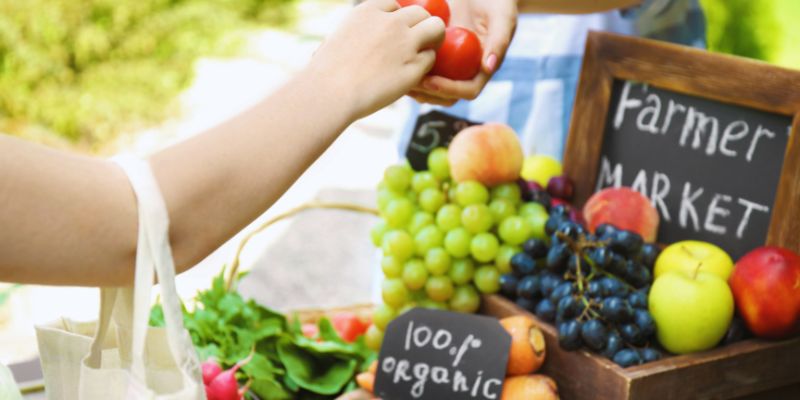
Fresher and More Flavorful
When picked at ideal maturity, in-season vegetables taste better. Fruits and vegetables acquire better textures and more flavors when they grow naturally in their cycle. Fruit ripening on the vine or tree will be sweeter and juicier the longer it stays there. Vegetables taken at the proper moment keep their freshness and crispness. Out-of-season vegetables often lack these attributes. They are picked early to last extended distances of travel. They are kept in cold storage or artificially ripened with chemical means.
Taste and texture change with this treatment. Though often dull in taste, imported food might look fresh. Imagine biting a summer tomato straight from the sun-ripened garden against a winter tomato cultivated in a greenhouse. The seasonal one explodes in taste and natural sweetener. Purchasing in-season guarantees the finest-tasting fruits and vegetables, improving your meals with every mouthful.
More Nutritious and Healthier
Vegetables and fruits just harvested have the most nutrients. Rich in vitamins and antioxidants, they are harvested at perfect ripeness and keep more important nutrients. Eating fresh seasonal vegetables guarantees the best possible health advantages. Long storage and transit cause nutrients in off-season produce to be lost. Fruits and vegetables start to break down as they sit in storage. Vitamin C, for instance, drops with time.
Certain products also undergo preservative treatment to increase shelf life, lowering their nutritional worth even further. Every season provides produce that naturally satisfies your dietary requirements. Winter citrus fruits give vitamin C to fight colds. Summer berries abound in antioxidants meant to guard against sun damage. Spring's leafy greens help the body to cleanse following winter. Eating seasonally helps preserve a balanced diet with the best nutrition all year.
Supports Local Farmers and the Economy
The direct purchase of in-season vegetables helps nearby farmers. Small farms survive by seasonal sales, which also help shape their operations. Selecting local, seasonal vegetables supports these farmers and helps keep agricultural communities vibrant. Fairly priced fresh seasonal food is available at local grocery stores and farmer markets, keeping money moving through the neighborhood economy.
Conversely, imported goods sometimes originate from massive farms abroad. These farms maximize mass output above quality and apply more chemicals. Helping nearby farms promotes environmentally friendly farming methods. Purchasing fresh seasonal vegetables also helps protect land. Farmers who sell more of their produce can keep cultivating several kinds. It helps against monoculture farming, which saps soil nutrients. Good local food systems guarantee food security and better surroundings for future generations.
More Affordable and Budget-Friendly
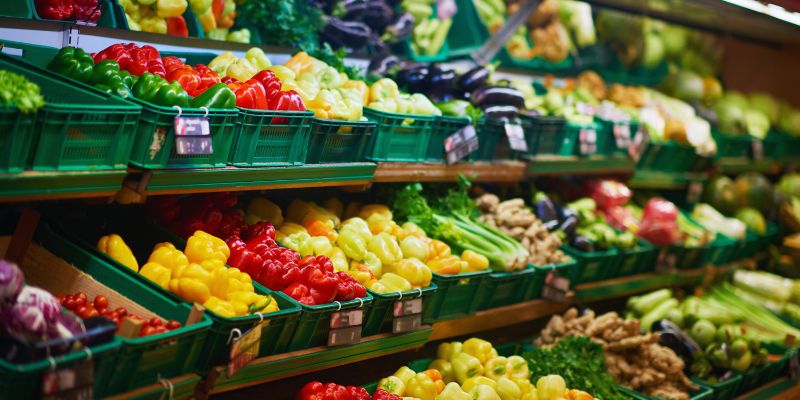
The biggest advantage of eating in-season is financial savings. It is more reasonably priced because seasonal produce is grown in great quantities. Supply naturally satisfies demand, therefore lowering consumer costs. Because of storage, transportation, and preservation, out-of-season produce costs more. Imported fruits and vegetables add to their cost by requiring shipping. Moreover, greenhouse-grown food requires artificial lighting and heating, which raises expenses.
Seasonal shopping helps you to obtain the most for your money. Summer watermelons, for instance, are plentiful and quite priced. On the other hand, purchasing them in winter results in paying extra for an imported variant without taste. Fall pumpkins are reasonably priced; strawberries are the least expensive in spring. Meal planning around seasonal produce guarantees fresher, better food and allows you to stretch your grocery budget.
Reduces Environmental Impact
Eating seasonal vegetables is a green decision. Food cultivated locally travels less distance, thus lowering carbon emissions and fuel consumption. Imported commodities require a long-distance truck, ship, or plane conveyance, which fuels world warming and pollution. Furthermore, fewer resources are required to grow produce in its natural season. Under ideal circumstances, farmers apply fewer pesticides, fertilizers, and water.
Off-season farming often depends on synthetic pesticides, additional irrigation, and artificial warmth. These techniques pollute water supplies and damage the quality of soil. Purchasing fresh seasonal vegetables supports environmentally friendly farming and helps to lower waste. It protects natural ecosystems and advances diversity. Choosing in-season, locally farmed-food is a small adjustment with a significant environmental impact.
Encourages a More Varied Diet
Eating seasonally exposes a range of fresh foods available all year long. Different seasons bring various nutrients, flavors, and textures. This diversity promotes a balanced diet and makes meals interesting. Many individuals eat the same meals all year, neglecting nature's variety. Eating seasons lets you discover fresh fruits and veggies. Fresh asparagus and peas abound throughout spring.
Bell peppers, tomatoes, and luscious peaches abound in summer. Fall supplies root vegetables, apples, and pumpkins. Winter brings citrus fruits, Brussels sprouts, and substantial greens. A diversified diet guarantees a combination of important minerals and inspires culinary innovation. Using fresh vegetables motivates varied cooking techniques and dishes. Purchasing fresh seasonal food enhances the taste and nutrient value of every meal.
Conclusion:
The best approach to savoring fresher, tastier, and more nutritious food is to select in-season vegetables. It saves money, helps nearby farms, and lessens environmental damage. Seasonal eating also guarantees a diversified diet, thereby assuring a combination of vital elements all year round. Imported, out-of-season produce often lacks taste, quality, and nutritional value. Selecting locally grown fresh food guarantees tastier meals and a better way of life and makes buying in-season a simple but effective choice. It helps the earth, your budget, and your health. Look for seasonal fruits and veggies the next time you buy.