Buying a home is one of the biggest financial decisions you'll make in your life, and choosing the right type of mortgage is crucial to that process. With so many options available, two of the most common types of loans buyers consider are FHA mortgages and conventional mortgages. But how do you know which one is right for you? This guide will break down the key differences, helping you make an informed choice.
Understanding FHA Mortgages
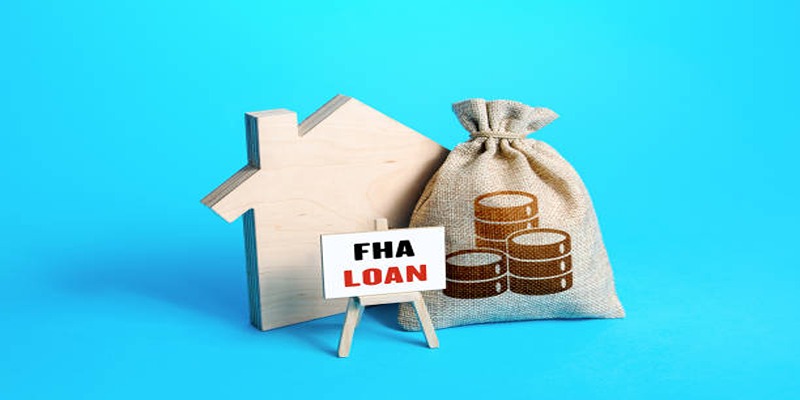
FHA mortgages are loans backed by the Federal Housing Administration. These loans are designed to make homeownership more accessible to first-time buyers and those with lower credit scores or smaller savings for a down payment.
Key Features of FHA Mortgages
- Lower Credit Score Requirements: Borrowers can qualify with a credit score as low as 580 (even 500 in some cases).
- Low Down Payment Options: FHA loans require a minimum down payment of just 3.5%, making them appealing to buyers with limited cash savings.
- More Lenient Debt-to-Income Ratios: FHA loans enable approval with a higher debt-to-income ratio compared to conventional loans.
- Mandatory Mortgage Insurance: All FHA loan borrowers must pay for mortgage insurance premium (MIP)—both upfront and annually—for the life of the loan unless refinanced.
This option is great for buyers who might face challenges meeting the stricter requirements of conventional loans. But remember, the mandatory mortgage insurance costs can add up over time.
What Are Conventional Mortgages?
Unlike FHA loans, conventional mortgages are not insured or backed by the government. Instead, they are offered through private lenders such as banks and credit unions. Conventional loans tend to have higher qualification standards but offer perks for those who meet the criteria.
Key Features of Conventional Mortgages
- Higher Credit Score Requirements: Typically require a score of at least 620, with better terms offered to those with stronger credit scores.
- Varied Down Payment Options: While a 20% down payment avoids private mortgage insurance (PMI), many lenders allow down payments as low as 3% using programs like Fannie Mae’s HomeReady.
- No Lifetime PMI: Unlike FHA loans, PMI can be removed when the borrower reaches 20% equity in their home.
- More Flexibility for High Loan Amounts: Conventional loans often allow higher borrowing limits compared to FHA loans, depending on location and the 2024 conforming loan limit.
For buyers with good credit scores and sufficient income, conventional mortgages can offer greater long-term savings and flexibility over FHA loans.
Comparing FHA and Conventional Mortgages
Now that we’ve covered the basics of both loan types, let’s highlight the differences between FHA and conventional mortgages. Here's a straightforward comparison to help you see the key distinctions at a glance.
1. Down Payment Requirements
- FHA Loan: 3.5% minimum for credit scores of 580 or higher.
- Conventional Loan: 3%-20% depending on the lender and loan terms. A 20% down payment removes PMI, saving money long-term.
2. Credit Score Requirements
- FHA Loan: Can qualify with lower credit scores (as low as 580 or even 500 in special cases).
- Conventional Loan: Requires a credit score of at least 620, with preferred rates offered to those in the 700s and above.
3. Loan Limits
- FHA Loan: Loan limits vary by county and are typically lower than conventional loan limits. Be sure to check limits for your area.
- Conventional Loan: Higher loan caps allow room for pricier homes, especially if you qualify for a jumbo loan.
4. Mortgage Insurance Costs
- FHA Loan: Requires lifetime mortgage insurance if your loan isn’t refinanced. You’ll pay both an upfront fee and an annual premium.
- Conventional Loan: PMI is only required if your down payment is less than 20%. It can be canceled once your loan-to-value ratio reaches 80%.
5. Flexibility
- FHA Loan: Great for buyers with limited savings or credit issues, but less flexible when it comes to removing mortgage insurance or financing higher-priced homes.
- Conventional Loan: More options for customization regarding down payments, loan limits, and PMI removal, but requires stronger financial footing to qualify.
Understanding Your Needs
Your choice ultimately comes down to your financial situation and long-term goals. Here we’ll break down a few common scenarios to help you decide.
When FHA Loans Make Sense
- First-Time Homebuyers: FHA loans open doors for buyers looking to build equity without breaking the bank upfront.
- Low Credit Scores: If your credit history needs improvement, FHA loans provide a pathway to homeownership.
- Smaller Cash Savings: For buyers who don’t have enough readily available for larger down payments, this option minimizes barriers to entry.
When Conventional Loans Make Sense
- Strong Financial Standing: Buyers with good credit and higher incomes may secure better rates with conventional loans.
- Plans for Long-Term Savings: Avoiding lifetime mortgage insurance could save thousands.
- Flexibility for Larger Homes: If home prices in your area exceed FHA limits, conventional loans can provide the additional borrowing power you need.
Tips for Choosing the Right Mortgage

Choosing the right loan isn’t just about rates and terms. Here are practical steps to guide your decision-making process:
- Assess Your Current Financial Health: Calculate your credit score, income stability, and savings to see which loans you’ll qualify for.
- Think About Future Flexibility: Are you planning to pay down the loan quickly? Would refinancing be in your cards a few years down the line? These factors can influence which loan is best.
- Compare Lender Offers: Both FHA and conventional loan terms can vary depending on your lender. Take time to shop for quotes and negotiate better terms.
- Consult with a Mortgage Professional: Mortgage brokers or loan officers can provide personalized insights based on your financial profile and goals.
Final Thoughts
The right mortgage can make homeownership more accessible, affordable, and enjoyable. By understanding the key differences between FHA and conventional loans, you can confidently choose a mortgage that aligns with your needs. Remember to consider your financial goals, credit history, and current income when making your decision. With careful research and planning, you can secure a mortgage that sets you up for long-term success as a homeowner.